

Farewell to Showstoppers: Stellantis Drives Away from North American Auto Shows
Stellantis has formally announced its withdrawal from auto shows throughout North America. They are citing the challenges posed by the current automotive market. This decision will notably leave a void in events that have traditionally served as crucial platforms for brands like Chrysler, Dodge, Jeep, and Ram to engage with their audience. Over the years, these brands have enjoyed substantial success, thanks in part to their larger-than-life displays at auto shows, often featuring interactive activities that resonated with attendees. Even smaller marques under the Stellantis umbrella, such as Fiat and Alfa Romeo, reaped the benefits of heightened exposure at these shows, reaching potential customers. Many of who might not otherwise visit their dealerships.

What Does This Mean For Us?
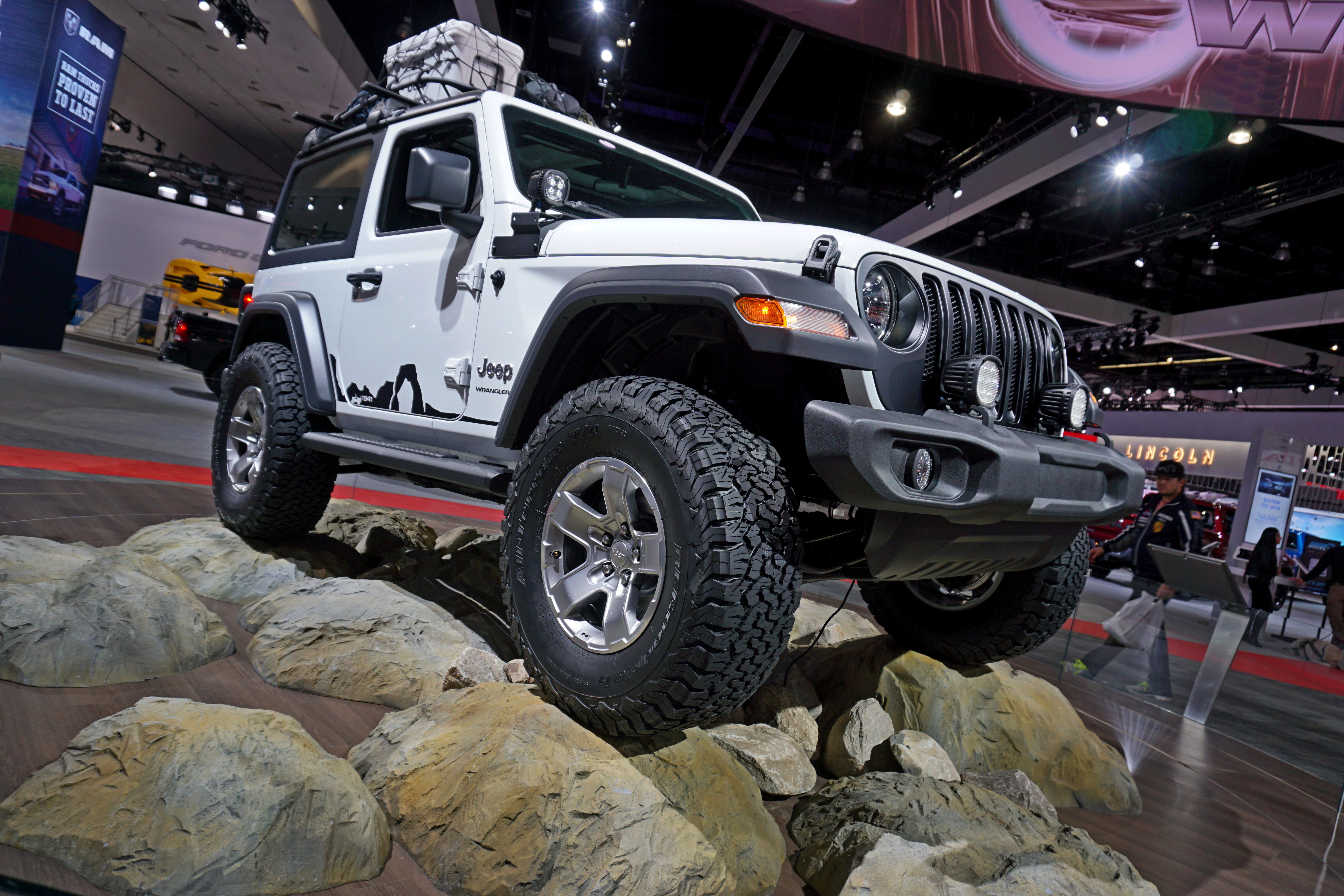
The significance of Stellantis’ participation in auto shows goes beyond recent times, delving into the historical context of these brands’ presence at such events. Chrysler, Dodge, Jeep, and Ram have a rich history of captivating audiences with their showcases, from cutting-edge technology demonstrations to thrilling interactive experiences. Camp Jeep, for instance, was a perennial hit, allowing attendees to navigate mock off-road obstacle courses in Jeep vehicles. Similarly, Dodge’s engaging displays often featured families experiencing the exhilaration of riding in Hemi-powered muscle cars. They could speed down makeshift dragstrips. Who wouldn’t like that? These presentations were not merely about showcasing vehicles but creating memorable experiences that resonated with the audience.
Related: Dodge Viper Car Review: From Track To Cabin

However, the decision to withdraw from these events is not entirely surprising. Stellantis had already skipped the Los Angeles Auto Show in November. Then, Consumer Electronics Show in Las Vegas this month. The company now leaves it to individual dealers to decide whether to participate in local events in their respective cities. Stellantis emphasized that its future involvement in auto shows will be evaluated on a “case-by-case basis,” reflecting a strategic approach aligned with the evolving dynamics of the automotive industry.

Leaving a Void in Automotive Spectacles
This development sparks broader reflections on the relevance of larger auto shows, particularly in the context of today’s predominantly digital world. While these events still offer the advantage of allowing potential buyers to experience vehicles in person, the increasing trend of brands connecting with consumers through digital platforms or exclusive gatherings challenges the conventional role of massive trade shows. The shift from media spectacles and large-scale events to more targeted and personalized interactions signals a transformative moment in how the automotive industry engages with its audience. We unfortunately see this trend continuing in the future. However, there looks to be a silver lining as smaller independent automakers begin to take their spots.
Note To Reader: Car Nut Chronicles is reader supported. We may post content which contains links to affiliate sites such as Amazon where we may earn a small commission. This helps us keep the lights on and the articles you enjoy being produced. Thank you for your readership, we appreciate you!


How to Fix a Sagging Door on a Classic GM Car: Replace the Hinge Pins and Bushings
A classic GM door that drops when you open it almost always has worn hinge pins and bushings. How to…

2006-2013 Volvo C70 Hardtop Won’t Close All the Way: Replace the Roof Lock Brace (1285014)
Volvo C70 hardtop stops just short at the windshield, guide pins miss their holes and the roof won’t latch? Check…

Valvoline vs Castrol: An Expert Comparison of Synthetic Oils (2026)
Valvoline vs Castrol, line by line: API SQ/GF-7 and dexos specs, dated prices, and an honest verdict for daily drivers,…



Tesla Cyberquad Resurgence
Elon Musk Shines as Tesla Redefines the Game in ATV Innovation In a bold move, Tesla (Nasdaq: TSLA) has ingeniously navigated a legal loophole, relaunching the all-electric Cyberquad ATV for kids. Initially introduced in 2021, the Cyberquad faced a setback with a recall prompted by a Consumer Product Safety Commission…

Plymouth Satellite, A Classic Look With What We Now Find Desirable
The Plymouth Satellite, launched in 1965, ignited the mid-size market with its bold blend of American muscle and style. Debuting as part of the Belvedere line, this noble ride, available in sleek hardtop and vibrant convertible models, captured the 1960s car culture with its striking design and powerful performance. Perfect…

Best Chevrolet Truck Accessories: Top 5 “No Tools Needed” Picks
Chevrolet trucks are a symbol of American reliability and muscle, often seen tackling tough jobs and adventuring off-road. They’re designed to be durable and versatile, which is why adding the right accessories can enhance their functionality and personalization. Truck enthusiasts invest in accessories to protect their vehicle, improve its utility,…

Jeep Wrangler Rubicon; An Expert Review and Specs
The Jeep Wrangler Rubicon is one of the most iconic off-road vehicles in the world. It has been around for decades and has evolved over time to become the ultimate adventure vehicle. The Rubicon is designed to take on any terrain, from rocky mountains to sandy beaches, and everything in…

Top 10 Fastest Pontiacs: A Hidden Need For Speed
Speed Legends: Pontiac’s Top 10 Fastest Models That Define Performance Excellence Although Pontiac is no longer in production, its legacy lives on among speed enthusiasts, so we’re counting down the top 10 fastest Pontiacs produced! We’ve compiled data from J.D. Power, along with insights from muscle car experts at Hagerty…

1970s Muscle Car Paint Restoration: Prep Thin Panels and Get the Color Right
How to repaint a 1970s muscle car: fix rust first, respect thin metal, and shoot a period color without inventing a paint code or warping the panels.